
Preparing for the School Year: Essential Tips for Parents of Children with Special Needs
DH
Understanding Your Child’s Needs
Preparing for the school year can be a daunting task for any parent, but it can be especially challenging for parents of children with special needs. The key to a successful year lies in understanding your child’s unique needs and ensuring that their educational environment supports them. Familiarize yourself with your child’s Individualized Education Program (IEP) or 504 Plan, and communicate any concerns or updates with the school staff.
Take time to observe and note any changes in your child’s behavior or learning preferences over the summer. These observations can be valuable during discussions with teachers and specialists to tailor support strategies effectively.
Establishing Routines
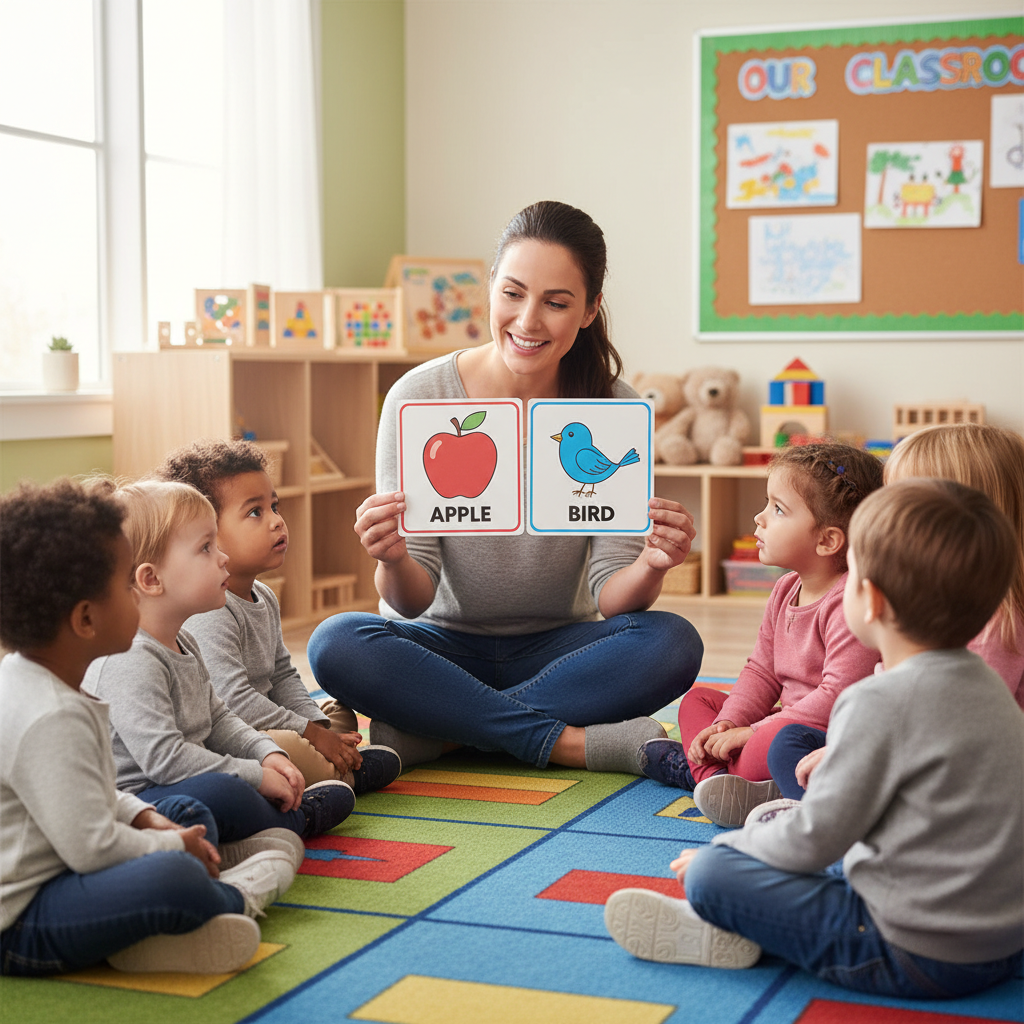
Children with special needs often thrive on routine, as it provides a sense of security and predictability. As the school year approaches, gradually introduce your child to the school-year schedule. This might include setting regular wake-up and bedtimes, as well as establishing a homework routine.
Consider creating a visual schedule that outlines daily activities. Visual aids can help reduce anxiety and make transitions smoother. Encourage your child to participate in creating their schedule to foster independence and understanding.
Building a Supportive Environment
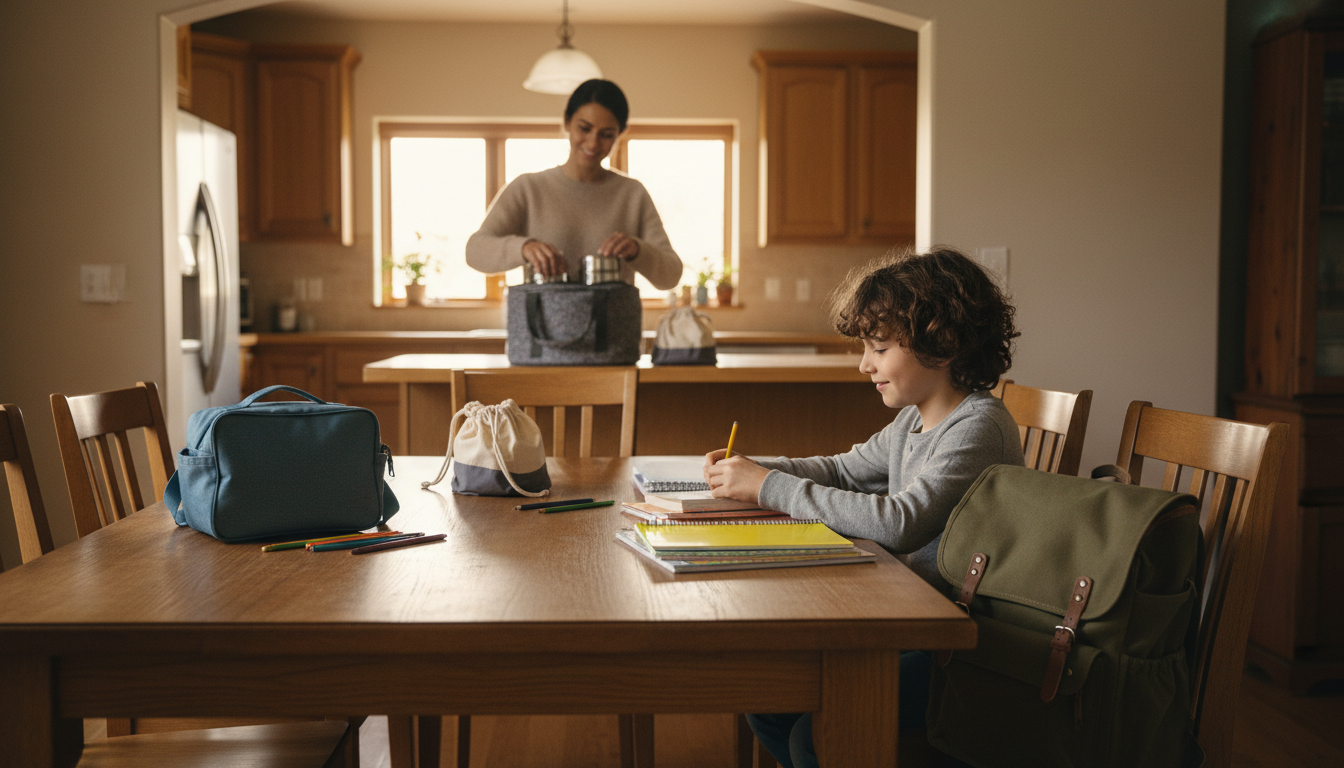
A supportive learning environment extends beyond the classroom. At home, create a designated study area free from distractions. Ensure this space is equipped with necessary tools and resources, such as sensory aids or adaptive technology, to facilitate learning.
Collaborate with teachers to understand how you can reinforce learning at home. Consistency between school and home environments can significantly enhance your child’s educational experience.

Communication with Educators
Maintaining open lines of communication with educators is crucial. Attend any back-to-school meetings and establish regular check-ins with teachers to discuss your child’s progress. Share insights about what works best for your child and be open to suggestions from the school staff.
A collaborative approach ensures that everyone involved in your child’s education is on the same page, working towards common goals for your child’s development.

Fostering Social Skills
Social interactions can be challenging for children with special needs, but they are an integral part of school life. Encourage your child to participate in social activities or clubs that align with their interests. This can help them build friendships and develop crucial social skills.
Role-playing different social scenarios at home can also prepare your child for interacting with peers. Be patient and provide positive reinforcement to build their confidence.
Preparing for Challenges
Recognize that challenges may arise during the school year, and that’s okay. Prepare for potential obstacles by having a plan in place. This could include identifying calming strategies for your child or knowing whom to contact at the school if an issue arises.
Being proactive and having a supportive network can make navigating challenges less overwhelming. Remember, you are not alone, and there are resources and communities available to help.
By taking these steps, you can help ensure a smooth transition into the school year, setting your child up for success both academically and socially.