
Expert Advice: Common Misconceptions About Special Education
DH
Understanding Special Education
Special education is a critical component of the educational system, designed to address the unique needs of students with disabilities. However, several misconceptions persist, often leading to misunderstandings about its purpose and implementation. By debunking these myths, we can foster a more inclusive and informed perspective.
One common misconception is that special education is only for students with severe disabilities. In reality, special education services cater to a wide range of needs, from mild learning disabilities to profound cognitive impairments. The goal is to provide tailored support, ensuring each student can reach their full potential.
Misconception: Special Education Is Separate
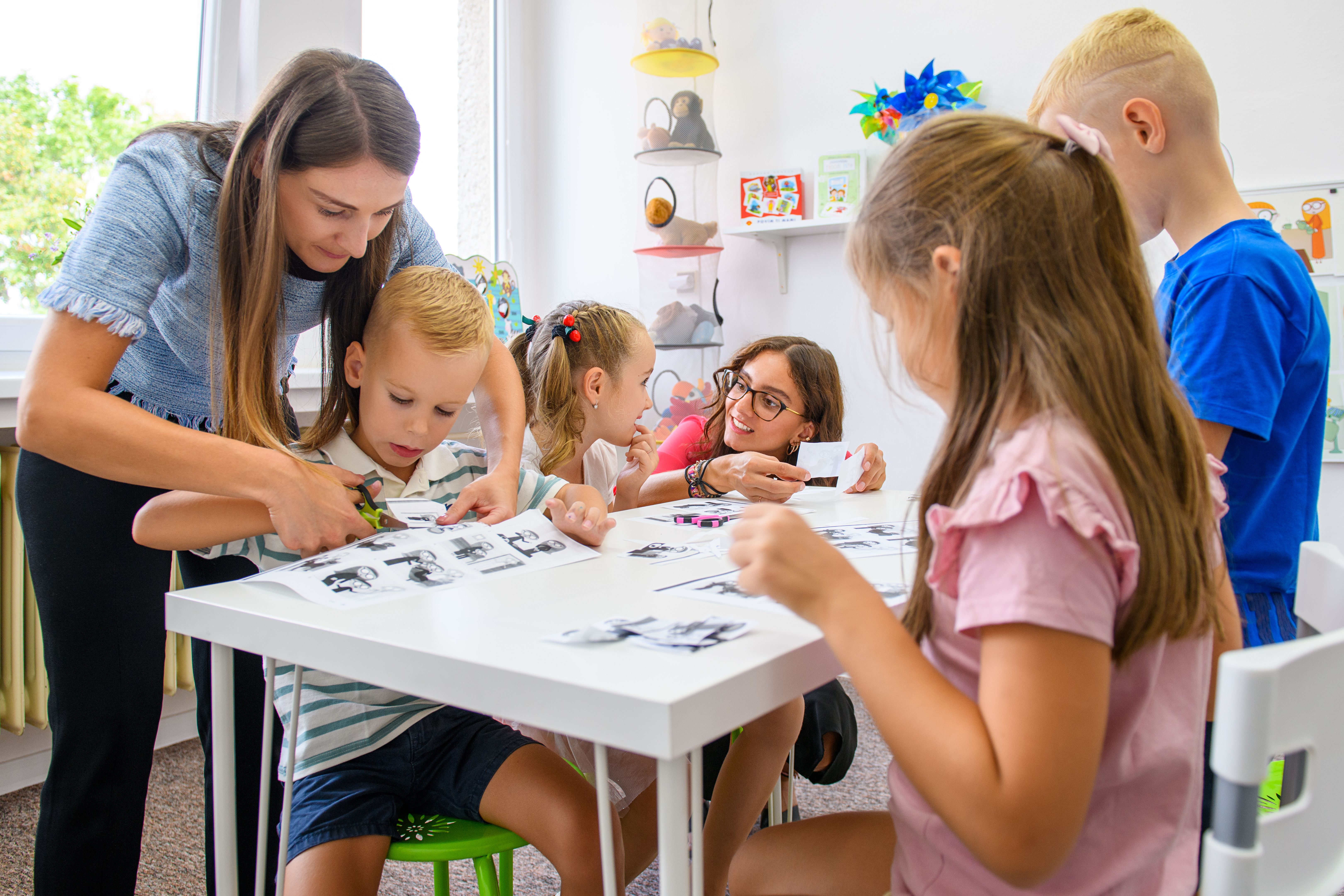
Another myth is that special education is entirely separate from general education. While specialized programs exist, many students receive support within the general classroom setting. This inclusive approach allows students to interact and learn alongside their peers, promoting social and academic growth.
Inclusion is a key principle of modern special education. Teachers often collaborate to adapt the curriculum, ensuring that it meets diverse learning needs. This collaboration not only benefits students with disabilities but also enriches the learning environment for all students.
Misconception: Special Education Is Only Academic
Many people assume that special education focuses solely on academics. However, it encompasses a broad spectrum of services, including social skills training, behavioral support, and speech therapy. These services aim to address the holistic development of each student.

Additionally, special education often involves life skills training, preparing students for independence and success beyond the classroom. This comprehensive approach ensures that students are equipped with the necessary tools to thrive in various aspects of life.
Misconception: Special Education Services Are Permanent
A widespread belief is that once a student is placed in special education, they will remain there indefinitely. In truth, special education is designed to be flexible and responsive to a student's evolving needs. Many students transition out of special education as they progress and develop new skills.
Regular assessments help educators determine the most appropriate level of support. This adaptability ensures that students receive the assistance they need, only for as long as they need it.
Conclusion: Building Awareness and Understanding
By dispelling these misconceptions, we can work towards a more informed and supportive educational landscape. Special education is not a one-size-fits-all solution; it is a dynamic and essential service that adapts to the unique needs of each student.
Understanding the realities of special education helps create a more inclusive society, where every student has the opportunity to succeed. Educators, parents, and community members must collaborate to ensure that misconceptions do not hinder the potential of any child.